
PROIRON Foam Roller Review: What the Recovery Research Shows (2026)
Share
Affiliate disclosure: As an Amazon Associate, I earn from qualifying purchases. I only recommend products with real scientific evidence behind them, and I'm upfront about where the evidence is thin.
Does foam rolling actually speed up recovery, or is it just a nice stretch?
Foam rolling gets treated as either miracle recovery tool or placebo, depending which corner of fitness content you're in. I've been using the PROIRON roller for several months as part of my post-training recovery, so I can give you both the research and what's actually held up in regular use — not a first impression.
What's actually in it
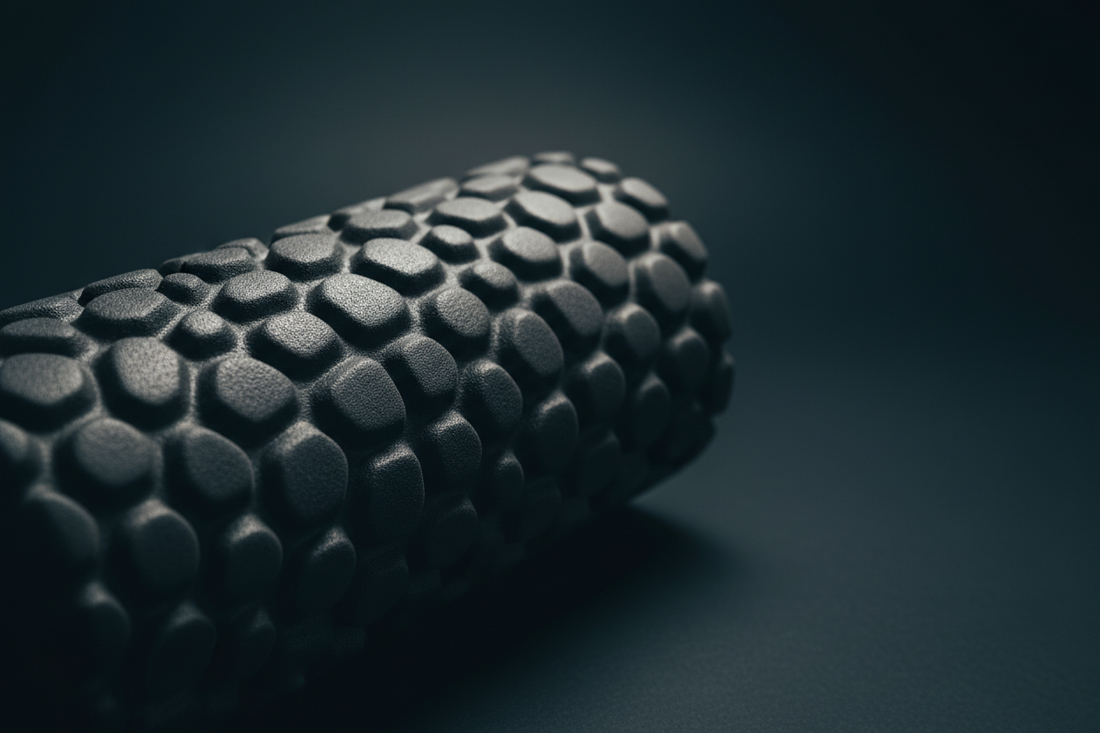
The PROIRON roller measures 42 x 13cm, built from a patented medium-density EPP foam with a textured surface, priced around AUD $27.99. It sits in the middle of the density spectrum — not the softest entry-level rollers, not the aggressive high-density options built for people who want intense pressure. At 42cm it's long enough to cover a full thigh or back in one pass without repositioning constantly.
What the research says
Foam rolling has a genuinely solid recovery evidence base, more so than most recovery tools sold to general consumers. According to PubMed, a controlled study had participants perform fatiguing back squats and then either rest or foam roll for 20 minutes at three points post-exercise; the foam rolling group showed moderate-to-large reductions in muscle tenderness and better recovery of sprint speed, power, and dynamic strength-endurance in the days that followed (Pearcey et al., Journal of Athletic Training, 2015). A 2019 systematic review covering 49 studies concluded foam rolling reduces delayed-onset muscle soreness (DOMS) and increases pressure-pain threshold, and identified 90–120 seconds of rolling as the effective dose for flexibility and recovery benefits (Hendricks et al., Journal of Bodywork and Movement Therapies, 2019).
The most directly useful study for choosing a specific roller: a 2024 randomized trial compared smooth, grooved, and serrated (harder-textured) rollers head-to-head after intense anaerobic exercise, tracking blood lactate, creatine kinase, and perceived soreness. All three roller types outperformed passive rest for recovery, and critically, the study found texture and hardness didn't significantly change the outcome — what mattered was rolling for at least 120 seconds (Michalak et al., Scientific Reports, 2024). That's a genuinely useful finding for a buyer: the specific density or texture of the roller you buy matters less than actually using it consistently and for long enough.
What I noticed using it
I've used this roller for several months, specifically for post-training recovery on legs and back after heavier sessions. It's held up well physically — no compression flattening, no surface degradation despite regular use. The medium density is where I'd expect it to sit given the research above: firm enough to apply real pressure, not so hard that it's punishing on first use, which matters if you're actually going to hit the 90–120 second dose the studies point to rather than giving up after 20 seconds because it's too intense. The 42cm length covers a full thigh in one pass, which sounds minor but genuinely reduces the friction of actually doing it consistently.
Who this is actually worth it for
Given what the research shows — that roller texture/hardness matters less than consistent use at the right duration — this is a sensible pick across biotypes and training styles. It particularly suits anyone doing regular heavy training (any biotype lifting or doing high-intensity conditioning) who needs a practical, no-fuss recovery tool rather than the most aggressive option on the market. If you're specifically chasing maximum-intensity trigger-point work, a harder or textured roller might suit your preference better, but the 2024 trial above suggests you're not sacrificing recovery outcomes by choosing medium density instead.
The honest verdict
At around AUD $27.99, this is a well-priced, well-built roller backed by a genuinely strong recovery evidence base — foam rolling isn't a wellness fad here, it has real RCT support for reducing DOMS and speeding functional recovery. The one honest caveat: the research suggests the specific roller you buy matters less than how consistently and how long you use it, so don't expect this particular model to outperform a cheaper or firmer alternative on recovery outcomes — the science says duration is what counts, not the tool. I'd buy this again, and the price makes it an easy addition to a home recovery setup.
→ Check current price on Amazon AU
If you want a training program built for your biology → milenium.com.au/pages/biofit-training
milenium.com.au/pages/biofit-training
References:
1. Pearcey GEP, Bradbury-Squires DJ, Kawamoto JE, Drinkwater EJ, Behm DG, Button DC. Foam rolling for delayed-onset muscle soreness and recovery of dynamic performance measures. J Athl Train. 2015. DOI
2. Hendricks S, Hill H, den Hollander S, Lombard W, Parker R. Effects of foam rolling on performance and recovery: A systematic review of the literature to guide practitioners on the use of foam rolling. J Bodyw Mov Ther. 2019. DOI
3. Michalak B, Kopiczko A, Gajda R, Adamczyk JG. Recovery effect of self-myofascial release treatment using different type of a foam rollers. Sci Rep. 2024. DOI