Introduction — How This Book Changed My Cooking and Nutrition
For years I treated healthy eating like a chore: boiled vegetables, bland meals, and “nutrition over taste.” But Mad Delicious: The Science of Making Healthy Food Taste Amazing completely shifted how I approach food. This isn’t a typical cookbook — it’s a guide to understanding why food tastes good and how to make healthy ingredients sing in your kitchen. I’ve always believed good nutrition should align with performance and enjoyment, and this book helped me make that real in my daily meals. I read it with a biotechnologist’s curiosity and an athlete’s expectation for flavour — and came out with tools that actually improved how I cook and how good healthy food tastes. I wasn’t just inspired — I changed how I eat.
Here’s the science, the insight, and my honest take on how Mad Delicious empowered my daily nutrition routine
What Mad Delicious Really Is?
Mad Delicious is authored by chef and food educator Keith Schroeder, and it explores the science of flavour and texture behind healthy cooking — not just recipes. The book pairs 120 creative dishes with explanations about ingredients, cooking techniques, and the why behind them. You’re not just following steps; you’re learning the science of taste and technique so that food feels as good as it’s good for you.
This approach is what makes it different from typical cookbooks — it gives you mental models for how food works, so you can invent, tweak, and improve meals in your own kitchen.
The Science Behind “Taste That Works”
One of the big lessons in this book is that flavour and nutrition aren’t opposites — they’re teammates.
In cooking science, flavour comes from:
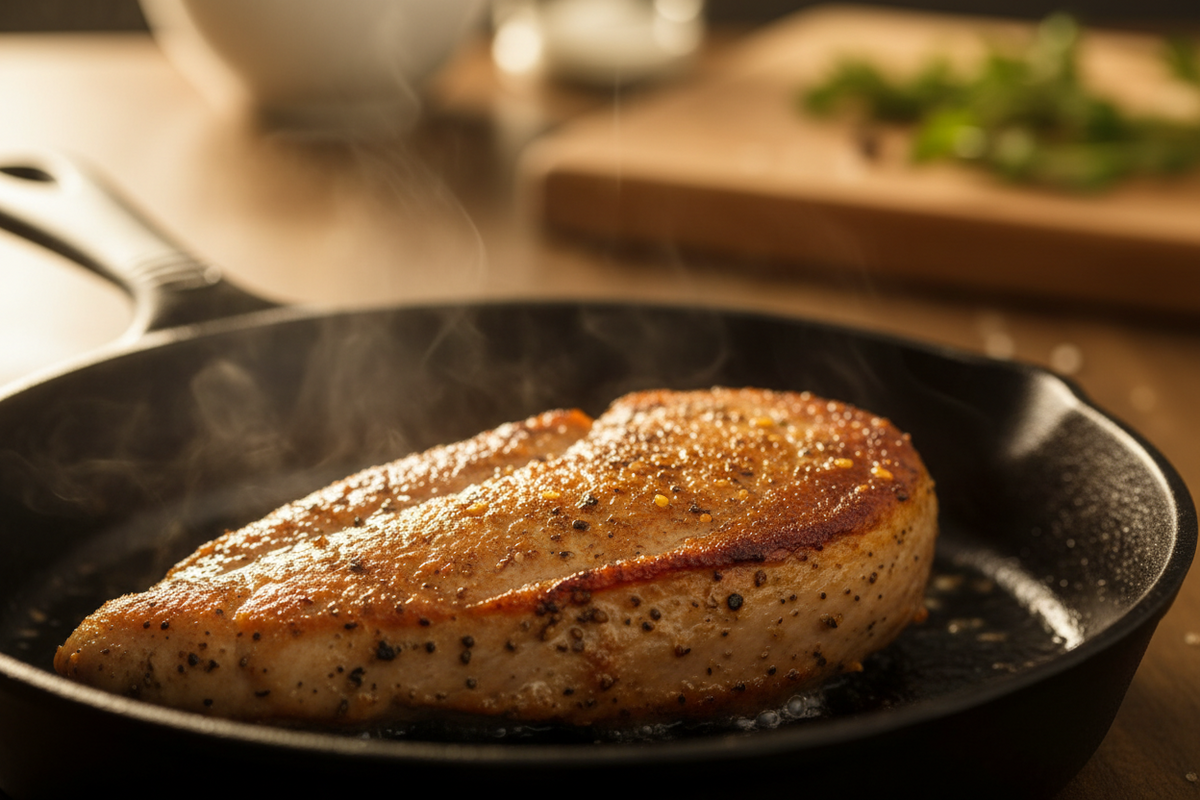
- Maillard reactions (browning for savoury depth),
- Acid balance (brightness),
- Texture contrast (crisp + soft),
- Fat distribution (mouthfeel), and
- Ingredient synergy (sweet + salt + bitter interplay).
Mad Delicious explains these basics with practical examples, giving context to techniques like steaming before searing, infusing herbs early, or balancing acid with fat. Instead of memorising steps, you understand food mechanics — why searing develops flavour, or why certain combinations satisfy the palate.
That’s huge for anyone who thought “healthy” meant “tasteless” — because it shows how healthier meals can be as rich and compelling as anything else on the plate.
What You’ll Learn — More Than Just Recipes
Here’s what stands out:
🧪 Cooking as Science — Not Guesswork
Schroeder teaches culinary techniques alongside the principles behind them — so you learn how heat, moisture, acidity, and enzymes affect food outcomes. That empowers repeatable, predictable results instead of random experiments.
🍲 Creative and Balanced Recipes
There are 120 recipes that mix classic comfort with elevated technique — think dishes that are flavorful but thoughtful, like inventive pastas, balanced proteins, or nutrition-forward mains that don’t compromise on texture or mouthfeel.
📘 Tools That Build Kitchen Confidence
Whether you’re a novice or seasoned cook, the book’s explanations turn technique into understanding. It’s the kind of resource you revisit and learn from over time, not something you follow once and forget.
Why This Book Resonated With Me
I didn’t just read Mad Delicious — I applied it.
Before this book, “healthy cooking” for many people feels like:
- over-cooked greens,
- under-seasoned meals,
- and repetitive flavour profiles.
This book changed that. It taught me:
- how to bring out natural sweetness and umami without added sugar,
- how to use acid and aromatics to elevate simple proteins,
- how to manage texture so food feels satisfying and complete.
After incorporating these techniques, my meals became richer, more complex, and deeply satisfying — but still aligned with nutrition goals like high protein, balanced macros, and flavourful micronutrient-rich ingredients.
That matters because enjoyable food supports long-term diet adherence — and that’s what drives consistent nutritional progress. It’s one thing to know the macros — it’s another to look forward to eating them.
How It Helped My Daily Eating Routine
Since using the book:
- Meals feel less like obligation and more like craft.
- I enjoy experimenting with flavour combinations that still hit nutritional goals.
- Healthy ingredients no longer need compromise; they shine through technique.
This was especially helpful for:
- planning weekly meals,
- reducing reliance on sauces or additives,
- increasing enjoyment without increasing calories.
The book’s techniques elevated simple ingredients into meals I actually crave — without losing sight of my goals like protein prioritisation and low body fat maintenance.
Who
Mad Delicious
Is Best For
This book isn’t just a “recipe collection”. It’s ideal for:
✔ Home cooks who want amazing flavour without unhealthy shortcuts
✔ People who feel bored with plain healthy food
✔ Anyone who wants to understand culinary technique
✔ Nutrition-focused athletes who want more enjoyable meals
✔ Busy people seeking reliable, repeatable cooking strategies
This isn’t a diet book — it’s a cooking science book with healthy outcomes.
One note: some recipes lean into more advanced techniques or longer prep, so beginners might need patience and willingness to experiment — but that’s part of the learning curve.
Final Thoughts — A Smart, Science-Driven Approach to Healthy Cooking
Mad Delicious: The Science of Making Healthy Food Taste Amazing is one of those rare cookbooks that teaches you how to cook well and why it works — not just what to throw in a pot.
For anyone who thought healthy food had to be bland or “diet-ish,” this book is a revelation. It gave me confidence in the kitchen, deeper respect for ingredients, and a toolbox of techniques that make nutritious meals actually delicious. That shift — from dreary to delightful — is what makes this book truly impactful.
If you want to cook with intention, understand flavour chemistry on a practical level, and make healthy eating sustainable and enjoyable, this book is a valuable addition to your library