
After six weeks of pure gut-health deep dives, here's the practical version: what to actually put in your Coles or Woolworths trolley, based on the research I've already covered.
This is the first list-format gut post I've written in a while, and it's deliberately practical rather than another mechanism explainer. If you've read the Stanford fermented food trial piece or the food-matrix bioavailability piece, this is where that research turns into an actual shopping list.
What the research actually shows
The two evidence-backed pillars are fibre diversity and fermented foods with live cultures, and I've covered the specific trial data for both already. The Stanford RCT I wrote about found a high-fermented-food diet significantly increased gut microbiome diversity and decreased 19 inflammatory markers over 10 weeks, while a high-fibre diet alone increased fibre-processing enzymes without the same diversity boost. Both matter, but they work through different mechanisms, which is exactly why a grocery list built on both, not just one, makes sense.
One important correction most gut-health content skips: not all fermented foods contain live cultures at the point of consumption. Sourdough bread is fermented during production, but the baking process kills the live cultures. Most shelf-stable, pasteurised pickles and sauerkraut on regular supermarket shelves are fermented but pasteurised afterward, which also kills the live cultures that actually drive the Stanford trial's diversity effect. If gut benefit is your goal, you specifically need the refrigerated, unpasteurised versions, check the label for live cultures or unpasteurised, not just fermented.
The actual shopping list
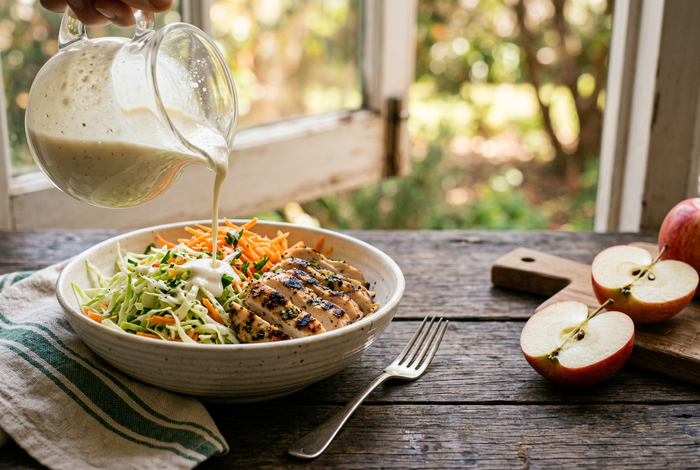
Fibre diversity (aim for variety across the week, not volume of any single source): oats, legumes (lentils, chickpeas, black beans, canned is fine), a mix of vegetables across colours, berries, kiwifruit, nuts and seeds (walnuts, chia, flaxseed), whole grains.
Fermented foods with live cultures (check refrigerated sections specifically): plain yogurt or kefir labelled with live cultures, unpasteurised sauerkraut or kimchi (refrigerated section, not shelf-stable), kombucha (check it's genuinely raw and unpasteurised, not just flavoured soft drink marketed as kombucha), miso paste (refrigerated, Asian grocery aisle).
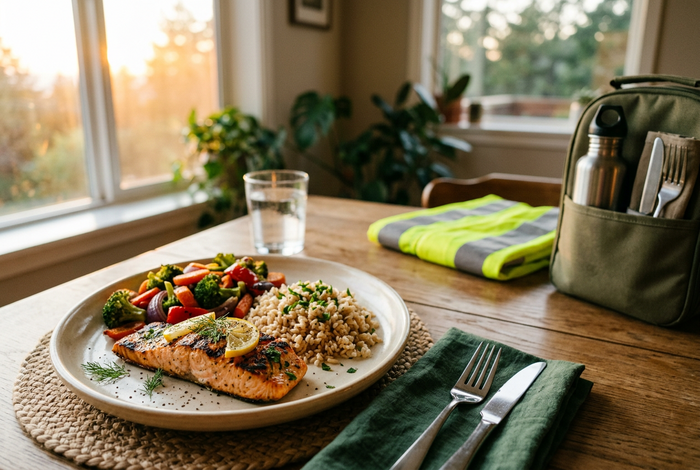
Supporting the gut barrier specifically: oily fish (salmon, sardines) for the omega-3 gut-barrier mechanism I've covered separately, extra virgin olive oil for polyphenol content.
What this means for you
Start with one or two additions rather than overhauling your entire trolley at once, the Stanford trial's fermented food group built up gradually to roughly six servings daily, and reported bloating during that ramp-up phase that resolved with time. Going from zero to maximum fermented-food intake in one shop is more likely to cause discomfort than benefit in the first couple of weeks.
Prioritise variety over volume for both categories. A wider range of fibre sources and a rotation between two or three different fermented foods appears to drive more microbiome diversity benefit than eating a large amount of any single item, this tracks with the strain-diversity principle I've written about for probiotic products specifically, applied here to whole foods instead.
Budget-wise, this list is genuinely accessible, oats, legumes, and plain yogurt are among the cheaper items in any Australian supermarket, and gut-health support doesn't require expensive specialty products to follow the evidence that actually exists.
The biotype angle
Endomorphs managing inflammatory load benefit most from prioritising the fermented food side of this list, given the inflammatory marker reductions documented in the Stanford trial specifically.
Ectomorphs should prioritise fibre diversity within a higher total food volume, since hitting variety alongside adequate total calories can be a genuine balancing act for this biotype.
Mesomorphs in regular training benefit from both categories roughly equally, alongside the omega-3 and gut-barrier support I've covered separately given the exercise-induced permeability increases documented in that research.
Download the free Biotype Guide at milenium.com.au
→ milenium.com.au
Reference:
Wastyk HC et al. Gut-microbiota-targeted diets modulate human immune status. Cell, 2021. DOI: 10.1016/j.cell.2021.06.019