
I already covered why kidney cleanse drinks don't hold up scientifically. This is the constructive follow-up: what an actual evidence-backed breakfast for kidney and metabolic health looks like, built from real trial data rather than a myth-bust.
Breakfast is the meal most people default to habit rather than intention. Here's what the randomised trial evidence actually supports building that habit around.
What the research actually shows
A 2026 randomised controlled trial published in Nature Communications tested a short-term, high-dose oat diet against a macronutrient-matched control diet in 68 people with metabolic syndrome. The oat diet significantly improved lipid metabolism and lowered serum cholesterol compared to control, with the mechanism traced specifically to microbially-produced phenolic metabolites, meaning the benefit comes partly through gut bacteria processing oat compounds, not just the fibre content alone acting mechanically.
A separate randomised, double-blind, crossover trial published via NCBI, in 32 individuals at risk of cardiometabolic disease, tested whole-grain oat granola against a non-whole-grain breakfast cereal daily for six weeks each. The whole-grain oat group showed a significant reduction in total cholesterol and LDL cholesterol compared to the non-whole-grain version, confirming that the grain processing and fibre structure specifically, not just breakfast cereal broadly, drives the effect.
On the protein side, a randomised, controlled, crossover trial published in Nutrition Journal compared higher-protein egg-and-sausage breakfasts (30-39g protein) against a lower-protein, higher-carbohydrate breakfast and breakfast-skipping, in overweight premenopausal women. The higher-protein breakfasts produced greater satiety and reduced subsequent energy intake at lunch compared to the lower-protein option, a genuine, measured effect on appetite regulation from breakfast protein content specifically.
Being fully honest about berries: a randomised, placebo-controlled crossover trial testing 140g of blueberries added to a higher-carbohydrate breakfast found no significant change in postprandial glucose metabolism, gut hormone response, or perceived appetite compared to a matched placebo. This doesn't mean blueberries lack value, their broader polyphenol and micronutrient profile has support elsewhere, but this specific trial didn't find an acute metabolic effect from adding them to a single meal, and reporting only favourable findings would be dishonest.
What this means for you
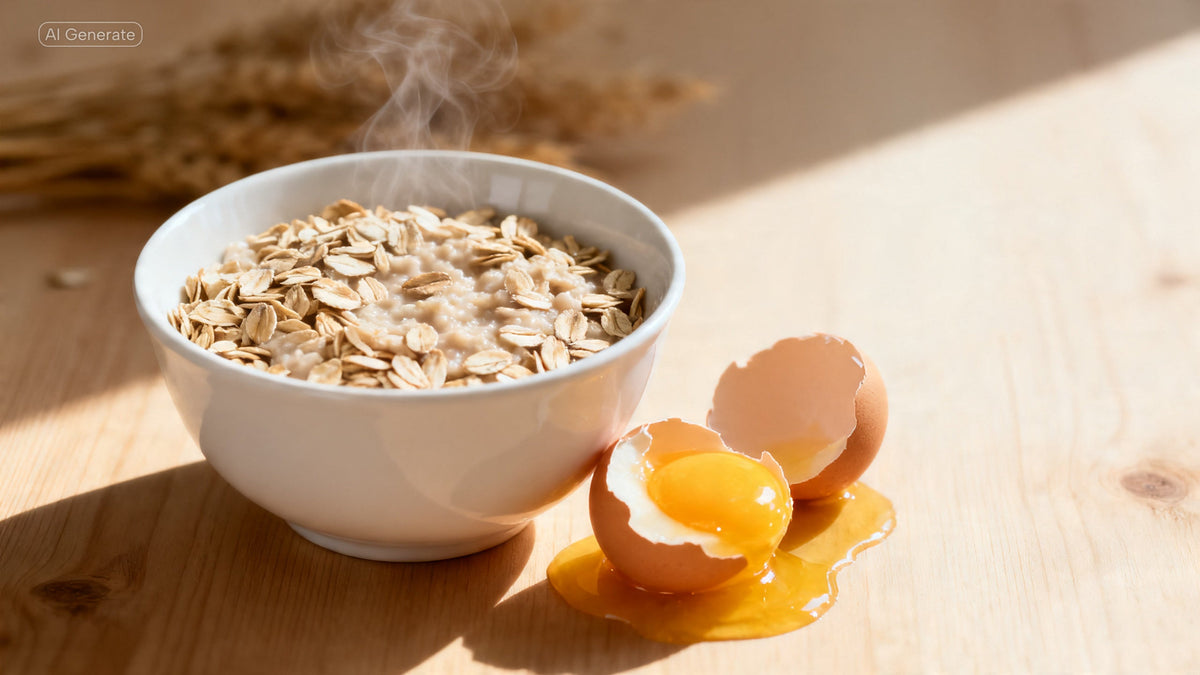
The evidence-backed breakfast template, based on what actually moved the needle in controlled trials: a base of whole rolled oats (not instant, heavily processed varieties) for the cholesterol and gut-microbiome benefit, paired with a genuine protein source in the 25-30g+ range, eggs are a strong, accessible option here, and I've covered separately why the whole egg specifically outperforms whites alone for this kind of application.
Practically: oat porridge or overnight oats with eggs alongside, rather than as separate meals, hits both mechanisms the trial data actually supports, cholesterol and gut-microbiome benefit from the oats, satiety and reduced later overeating from the protein. Adding fruit for the broader micronutrient and fibre-diversity value is reasonable, just don't expect an acute blood-sugar miracle from any single berry addition based on the trial evidence specifically testing that claim.
This connects directly to the kidney health piece, there's no cleanse drink or single miracle food that replaces this kind of consistent, evidence-backed daily pattern. The oat and protein data here represents actual randomised trial evidence for metabolic and cardiovascular markers relevant to long-term kidney and metabolic health, not a quick fix.
The biotype angle
Endomorphs managing cardiometabolic risk factors are the biotype most directly served by the oat-cholesterol mechanism, the trial population studied (metabolic syndrome, cardiometabolic risk) closely matches this biotype's typical profile.
Ectomorphs benefit most from the protein-satiety finding specifically, a higher-protein breakfast supporting appetite regulation is useful even when the goal is adequate intake rather than restriction, since it supports more consistent eating patterns across the day.
Mesomorphs in regular training can use this template as a reliable base, adjusting portion size for training demands while keeping the oats-plus-protein structure intact as the evidence-backed foundation.
Want a training and nutrition program built around your actual biotype — not a generic plan?
→ milenium.com.au/pages/biofit-training
References:
1. Cholesterol-lowering effects of oats induced by microbially produced phenolic metabolites in metabolic syndrome: a randomized controlled trial. Nature Communications, 2026. PMC12808737
2. Hypocholesterolemic and Prebiotic Effects of a Whole-Grain Oat-Based Granola Breakfast Cereal in a Cardio-Metabolic At Risk Population. PMC5098205
3. Rains TM et al. A randomized, controlled, crossover trial to assess the acute appetitive and metabolic effects of sausage and egg-based convenience breakfast meals. Nutrition Journal, 2015. DOI: 10.1186/s12937-015-0002-7